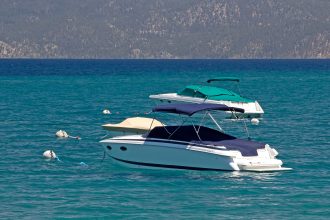
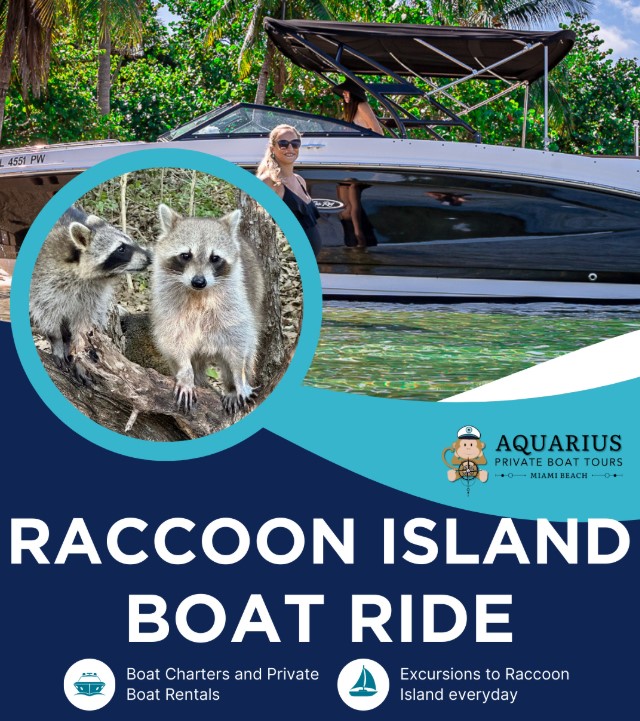
Launching a boat rental business is equal parts passion and planning. Start by researching local regulations and securing the right permits, licences, and insurance. Decide whether you’ll buy a single vessel, lease, or join a peer-to-peer platform to list other owners’ boats. A clear business plan that outlines target customers, seasonal demand, pricing, and marketing channels sets the course for everything that follows.

Setting up a boat rental business means more than parking a boat at a marina. Choose a location with high foot traffic or easy access to tourist hubs—lakes, coastal towns, and riverfronts near hotels and restaurants are ideal. Invest in user-friendly booking software, create simple online waivers, and build a mobile-optimized website with instant reservation capability. Brand your fleet—clean, consistent visuals and clear safety information build trust.
Managing the day-to-day requires systems. Create a maintenance schedule and log every engine check, cleaning, and safety inspection. Train staff in customer service, basic repairs, and safety briefings. Use a CRM to capture guest data for follow-ups and promotions. Implement flexible pricing: hourly during peak afternoons, half-day and full-day packages on weekends, and special prices for weekdays or offseason. Keep spare parts, life jackets, and cleaning supplies on hand to minimize downtime.
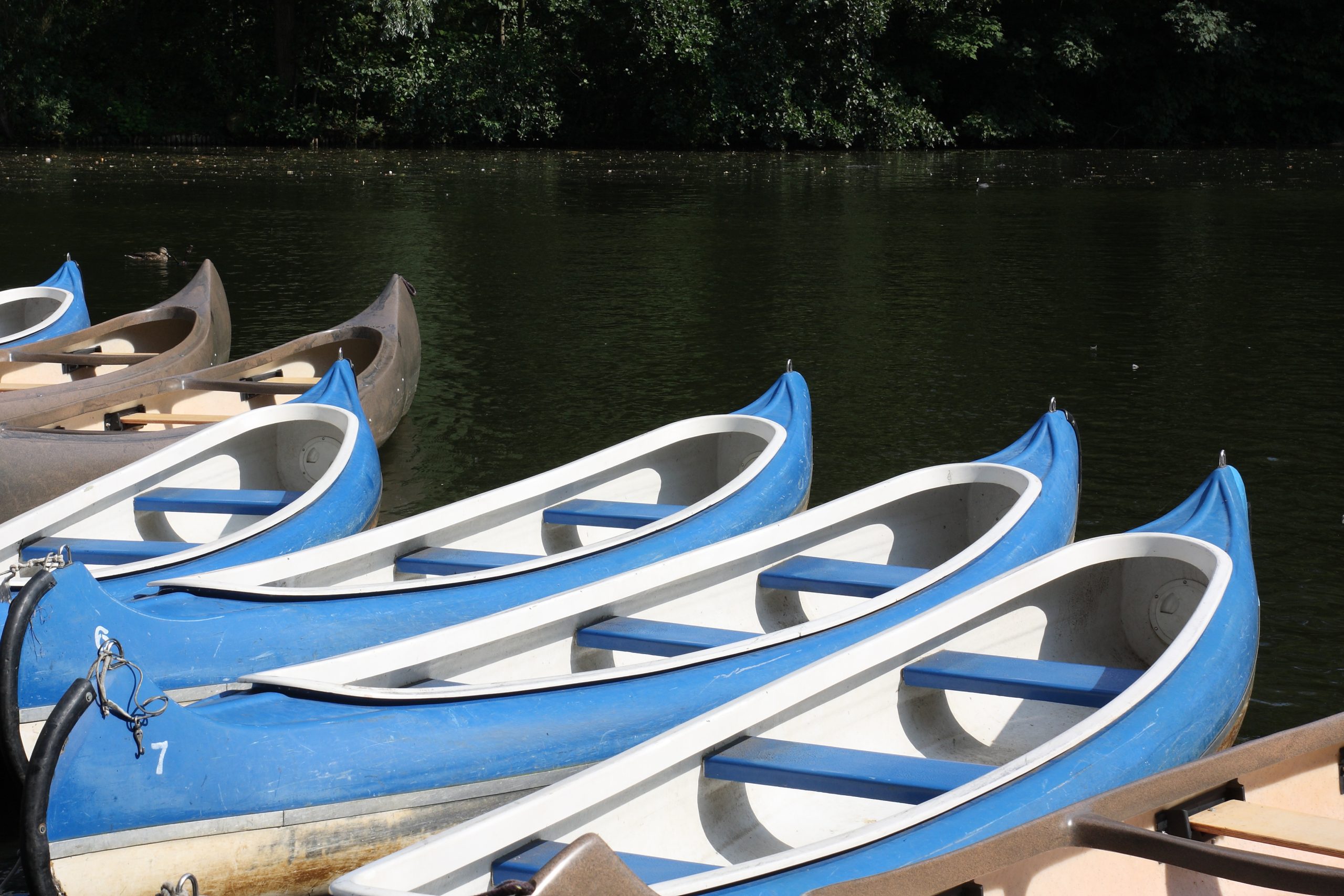
How much does it cost to start? Numbers vary widely. A used pontoon or small runabout can be acquired for $10,000–$30,000; new recreational boats often range $30,000–$100,000+. Add trailer or slip costs, which can run $100–$1,000+ per month depending on location. Insurance and commercial liability typically cost $1,000–$5,000 annually. Licenses, safety equipment, marketing, and booking software add another $2,000–$10,000 startup buffer. All-in, a modest operation might start around $15,000–$50,000; larger, multi-boat ventures head into six figures.
Where to start? Pick places with steady tourist flow and limited competition: vacation lakes, coastal resort towns, island communities, and urban riverfronts with recreational demand. College towns near water and regions with strong weekend boating cultures can produce reliable seasonal revenue. Access to marinas, parking, and partner businesses (hotels, tour desks, restaurants) multiplies visibility and bookings.
Can you make money renting your boat? Yes—if you optimize utilization and control costs. Hourly rates for small boats typically range $50–$200; specialty or luxury vessels command much higher fees. Profitability depends on utilization rate, maintenance costs, and overhead. Peer-to-peer platforms ease customer acquisition and increase bookings but take commissions. Expect early months to be reinvestment-heavy; after establishing repeat business and efficient operations, margins improve.
Marketing strategies that convert: local SEO and a verified Google Business Profile, targeted social ads showcasing short video clips, partnerships with hotels and event planners, and listing on marketplaces like Boatsetter or GetMyBoat. Offer referral discounts, seasonal packages, and add-on experiences (guided tours, fishing rods, catered picnics). Collect reviews and showcase them—social proof sells. With the right mix of operations savvy and creative marketing, your dock can become a steady stream of dollars.